Follow the link for new editions of the Airworthiness Department forms
We inform you that the call to the number for the payment of Republic administrative fees has been changed - you can view the form with the changes at линк
Owner/user or the operater of unmanned aircraft shall submit, as parties in the administrative procedure, request for approval of unmanned aircraft directly or through authorized respresentative
Follow the link for new editions of the Airworthiness Department forms
We inform you that the call to the number for the payment of Republic administrative fees has been changed - you can view the form with the changes at линк
Owner/user or the operater of unmanned aircraft shall submit, as parties in the administrative procedure, request for approval of unmanned aircraft directly or through authorized respresentative
Search and rescue exercise "SAREX 22-17" conducted
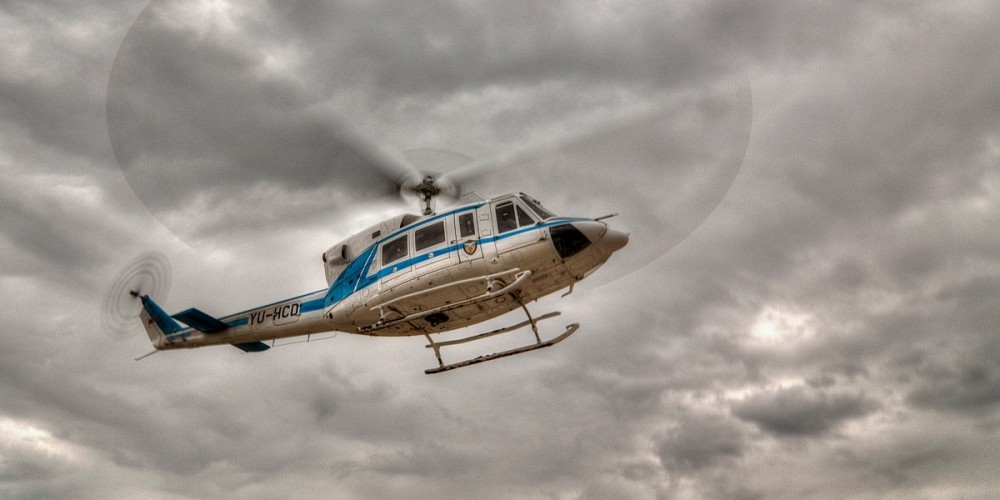
One of the most complex search and rescue exercises in civil aviation "SAREX 22- 17 " was conducted on Wednesday, May 24 by the Rescue Coordination Centre (RCC) of the Civil Aviation Directorate, Helicopter Unit of the Ministry of Interior, Military Medical Academy, SMATSA and Operations Centre of Serbian Air Force and Air Defence (SAF&AD).
“This full scale ICAO Level III "SAREX 22-17" formal exercise was organized according to the annual exercises plan by the Department for Search and Rescue and carried out in order to evaluate the function of the RCC participants engaged in search and rescue of aircraft and persons in civil aviation. These comprise the Ministry of Interior helicopter unit, Military Medical Academy (MMA) operational team, SAF&AD Operational Centre using the MMA helipad, and alerting service by SMATSA”, said Nikola Šarančić, head of Rescue Coordination Centre of the Directorate.
An important segment is the commencement and coordination with ITMCC Center, COSPAS-SARSAT satellite team for the detection of activated radio - transmitter in emergency situation (ELT). For the purpose of this exercise, ELT was activated in motion simulating a situation in which the pilot activated the emergency alert system, in case of loss of radio contact before landing.
As expected, ELT activation was detected by COSPAS-SARSAT via Mission Control Centre ITCC in Bari and the information forwarded to RCC. What was tested next were preparedness and method of alerting, action of the involved participants during conduct of search and rescue operations.
The aim of the exercise was to check common procedures, follow-up measures and procedures involving parties to agreements, alarming RCC and on duty units, engagement of participants in search and rescue operations, providing first aid to the injured, and their transportation to adequate medical facilities and medical care.
In addition to the objectives set, the first part of the exercise was for the purpose of testing the new international MEOSAR COSPAS-SARSAT satellite system, through moving ELT detection. Helicopter Unit of the Ministry of Interior used during exercise its two helicopters Bell 212 Jet Ranger and Bell 206. Team search in the Jet Ranger obtained the initial geographic coordinates (which were frequently updated in real time) through the plan of search from SCA and through the satellite centre in Bari. The coordinates were converted by the Jet Ranger crew into a provisional search and rescue region to which it flew with more precision using its Radio Direction Finder. Behind the aircraft Bell 212 flew with the crew of rescuers. Having arrived at the crash site they provided first aid to the injured person, transportation to the helipad at MMA, and finally the injured person was taken by the MMA on duty team, thus successfully completing the exercise.
Search and rescue exercise "SAREX 22-17" conducted
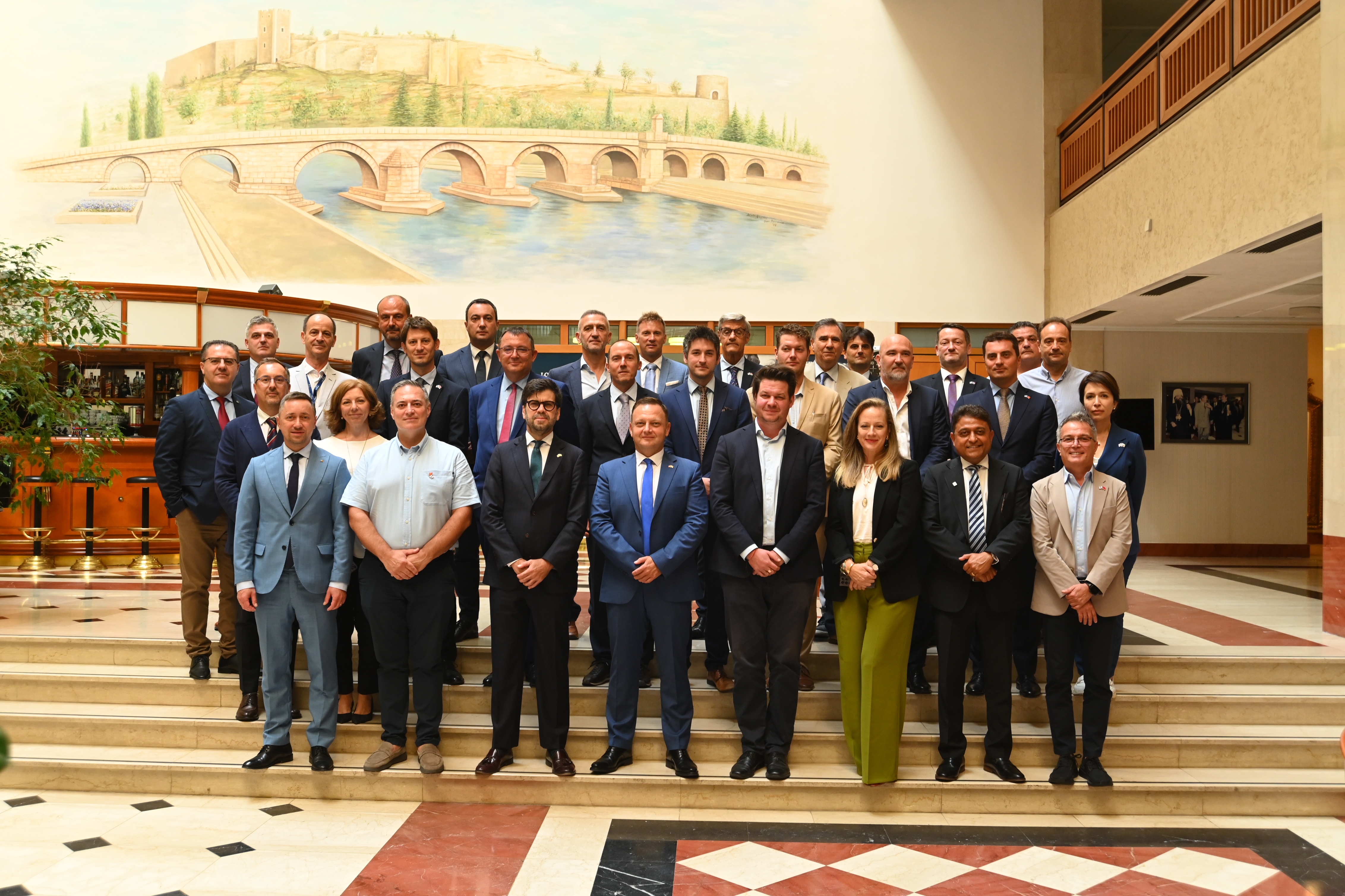
Representatives of the Civil Aviation Directorate of the Republic of Serbia took part in a two-day meeting of regional civil aviation authorities and EUROCONTROL management, held in Skopje on 31 August and 1 September.
The meeting, organised by the Civil Aviation Agency of North Macedonia and EUROCONTROL, focused on the exchange of experience, strengthening cooperation and current issues in the field of air navigation.
During the meeting, Serbia’s achievements to date and ongoing development activities were presented, with particular focus on EXPO 2027, the integration of eVTOL aircraft and unmanned aircraft, as well as the modernisation of air traffic control technical systems, which will contribute to increased capacity and safety at Belgrade Airport.
The meeting also highlighted the successful cooperation between the Civil Aviation Directorate and EUROCONTROL on the implementation of the U-space concept and the integration of unmanned aircraft detection systems, as important steps towards the further development and safe integration of new technologies into the airspace of the Republic of Serbia.
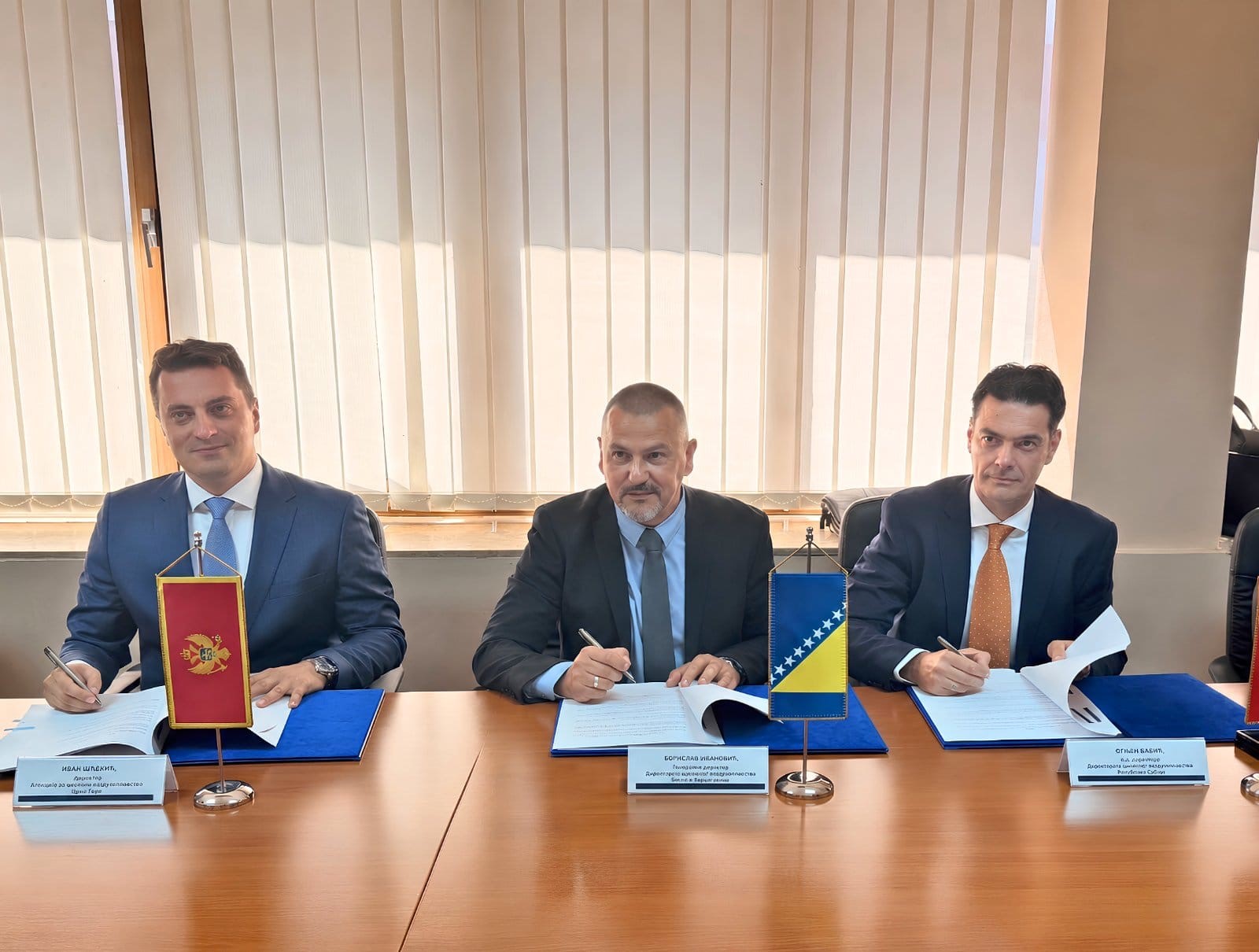
Acting Director General of the Civil Aviation Directorate of the Republic of Serbia, Ognjen Babic, signed a Coordination Agreement on 10 July 2026 in Banja Luka on behalf of the Directorate with the Bosnia and Herzegovina Directorate of Civil Aviation and the Civil Aviation Agency of Montenegro. The agreement was also signed by Zorislav Ivanovic, Director of the Bosnia and Herzegovina Directorate of Civil Aviation, and Ivan Scekic, Director of the Civil Aviation Agency of Montenegro, representing their respective institutions.
The agreement establishes a framework for coordination among the national supervisory authorities in overseeing the provision of Air Traffic Services (ATS) within the portion of airspace covered by the 2020 Agreement on the Transfer of Responsibilities for the Provision of Air Traffic Services.
It provides for the coordination of oversight activities, the exchange of safety-related information relevant to civil aviation, and cooperation in managing changes to the functional system for the provision of air traffic services.
The conclusion of this agreement further strengthens cooperation among the national supervisory authorities of Serbia, Bosnia and Herzegovina, and Montenegro, while enhancing the coordination of activities that contribute to the safety and efficiency of civil aviation across the region.
The management of the Civil Aviation Directorate of the Republic of Serbia, headed by Acting Director Ognjen Babic and Acting Deputy Director Verica Jecmenica, met today with the Prime Minister of the Republic of Serbia, Professor Dr. Đuro Macut, to discuss current issues and challenges in the field of civil aviation.
The meeting was also attended by the Ambassador of the Arab Republic of Egypt to the Republic of Serbia, Ahmed Salama Soliman. The participants discussed opportunities for further improving the regulatory framework, strengthening international cooperation, and advancing air transport, with particular emphasis on the proposed amendments to the regulations governing the flight approval process. They also considered the impact of the proposed amendments on air carriers, with the aim of enhancing the efficiency of the regulatory system, maintaining the highest safety standards, and creating more favorable conditions for the continued development of civil aviation.
Special attention was given to the initiative to establish a scheduled air service between Belgrade and Cairo, which would contribute to the enhancement of air connectivity between the Republic of Serbia and the Arab Republic of Egypt, promote tourism and economic cooperation, and further strengthen bilateral relations.
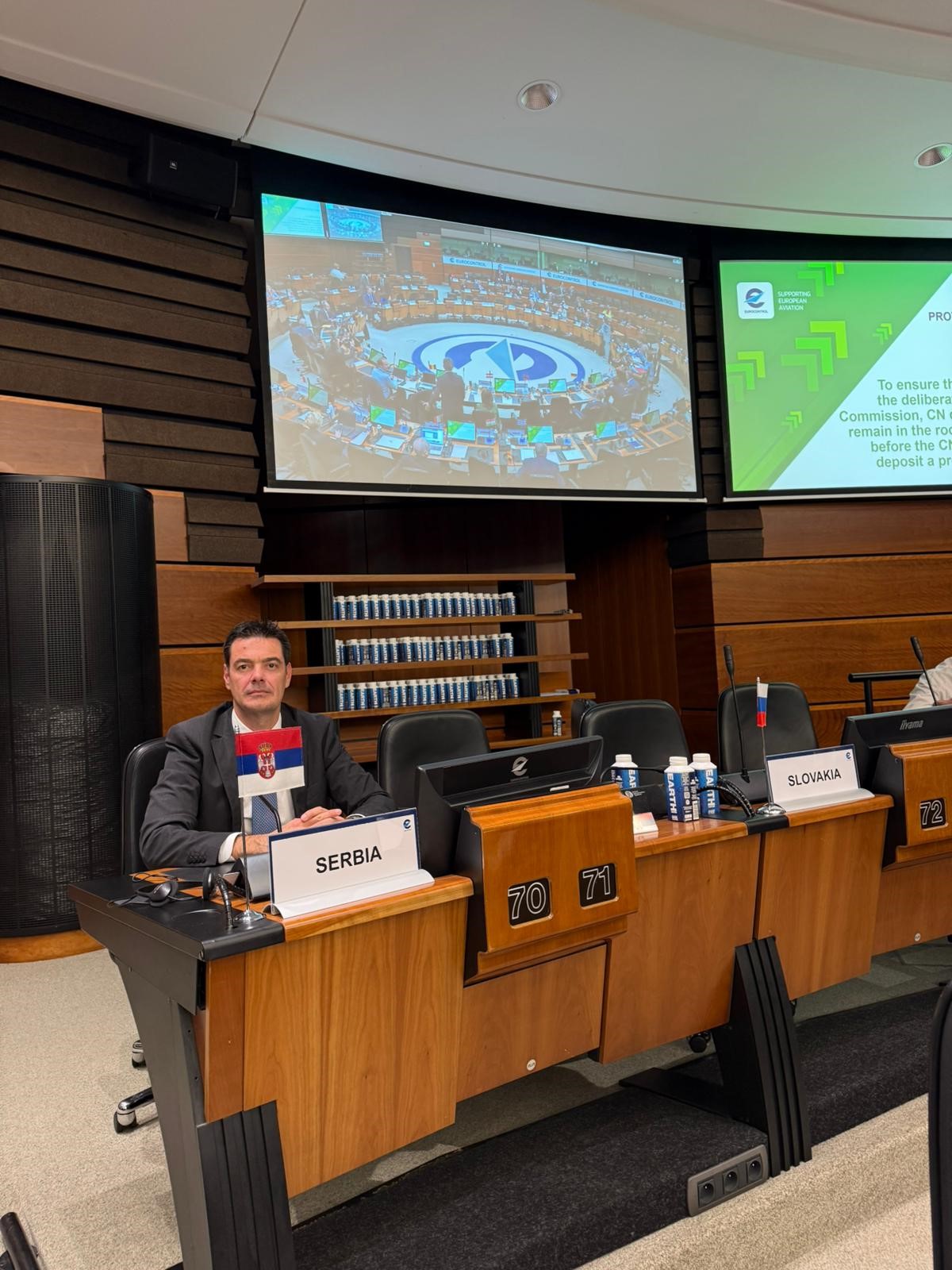
Mr. Ognjen Babić, Director of the Civil Aviation Directorate of the Republic of Serbia, attended the 65th Meeting of the Provisional Council (PC/65) of the European Organisation for the Safety of Air Navigation (EUROCONTROL), held in Brussels on 18 June 2026.
During the meeting, participants discussed matters of importance to the work and functioning of the Organization, including reports on completed activities, ongoing work, and issues of strategic significance for the further development of the air traffic management system in Europe.
The participants also exchanged views on matters within the competence of the Provisional Council, while the remaining agenda items were devoted to the consideration of regular reports and the planning of future activities.
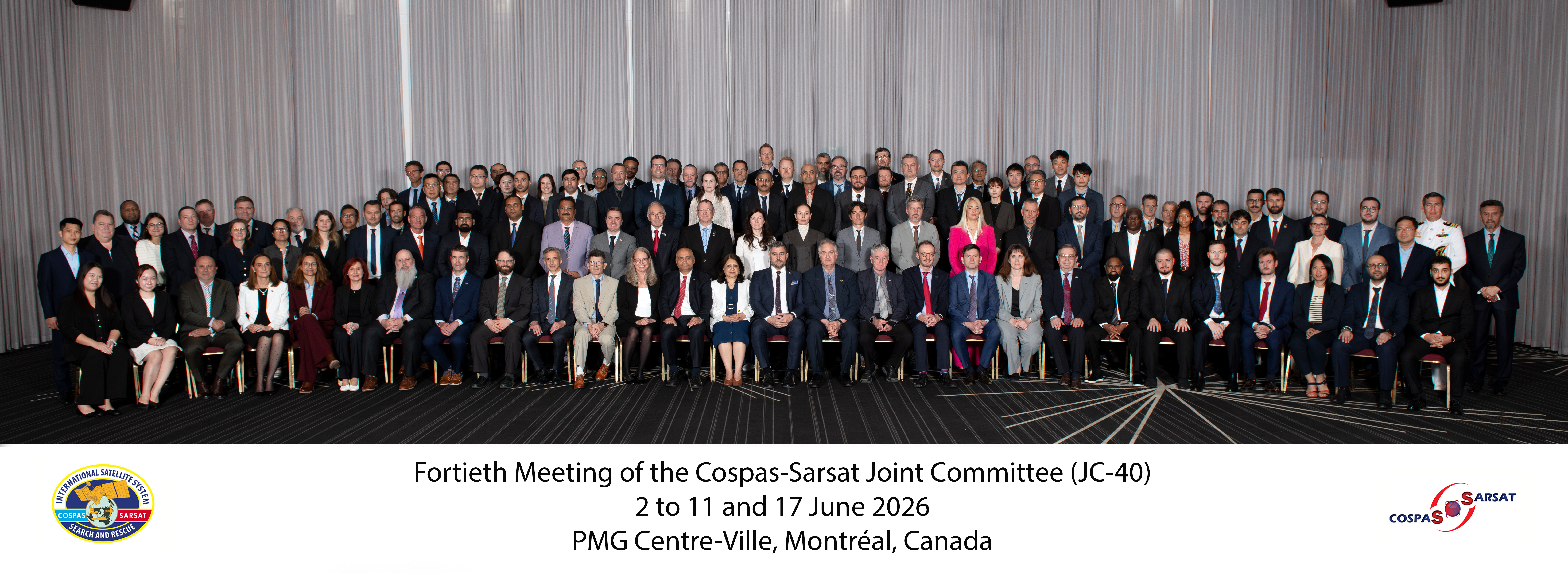
The Civil Aviation Directorate of the Republic of Serbia achieved a significant milestone within the framework of the international Cospas-Sarsat Programme when Mr. Nikola Sarancic, Head of the Rescue Coordination Centre of the Civil Aviation Directorate of the Republic of Serbia and Chair of the ICAO EUR Search and Rescue Task Force (EUR SAR TF), presided over the 40th Meeting of the Joint Committee (JC-40) of the International Cospas-Sarsat Programme. The meeting was held in Montreal on 2 June 2026.
The meeting brought together representatives of the Programme’s founding states and member countries (45 participating states), representatives of international aviation organizations, aircraft manufacturers, and experts in the field of search and rescue.
This achievement represents a notable international success for the Republic of Serbia, as it marks the first time that the Chair of the Joint Committee—the principal annual meeting of the Cospas-Sarsat Programme—has been held by a representative from a country other than one of the Programme’s four founding states: the United States of America, the Russian Federation, Canada, and France.
A wide range of technical, operational, and programme-related matters were considered during the meeting, including the further development of the MEOSAR system, the advancement of standards for the implementation of the new Two-Way Communication service with beacon users, issues related to the operation of distress beacons (ELT, EPIRB, PLB, ELT(DT)), activities addressing the growing number of false alerts—particularly those associated with new ELT(DT) beacon technologies—as well as other matters of importance for the future development of the Programme.
The Civil Aviation Directorate of the Republic of Serbia will continue to actively contribute to the enhancement of international cooperation in the field of search and rescue, with the aim of improving aviation safety and strengthening the effectiveness of global search and rescue systems.