


Follow the link for new editions of the Airworthiness Department forms
We inform you that the call to the number for the payment of Republic administrative fees has been changed - you can view the form with the changes at линк
Owner/user or the operater of unmanned aircraft shall submit, as parties in the administrative procedure, request for approval of unmanned aircraft directly or through authorized respresentative
Follow the link for new editions of the Airworthiness Department forms
We inform you that the call to the number for the payment of Republic administrative fees has been changed - you can view the form with the changes at линк
Owner/user or the operater of unmanned aircraft shall submit, as parties in the administrative procedure, request for approval of unmanned aircraft directly or through authorized respresentative
Civil Aviation Directorate among leaders in Europe in the field of pilot licensing and certification of training centers as EASA team of experts established
Following a thorough audit of the work of the Civil Aviation Directorate of the Republic of Serbia conducted from 4 to 9 October by the European Aviation Safety Agency (EASA) team of experts, it has been concluded that European standards in the field of certification of pilot licenses, pilot training centers and medical certificates are successfully implemented by this aviation authority. This practically means that pilot licenses issued by the Civil Aviation Directorate of the Republic of Serbia are not only recognized throughout Europe but also highly valued.
According to the first preliminary results of the experts, Serbian aviation authority is among best in Europe in this field and among most successful within EASA member states. The official and detailed report is due to be submitted by the end of the next month.
In addition to reviewing the work of CAD RS work, EASA also performed on-site checks of its activities, reviewing documentation of several training centers.
The purpose of the visit of the expert team was in-depth analysis and review of the level of application of the procedures contained within the working arrangements that CAD RS signed with the EASA in 2008.
EASA expert team comprised eminent European experts for personnel licensing and aviation medicine.
Furthermore, CAD RS will be subject to two major EASA audits to take place by the end of October with the aim of establishing application of European standards in the fields of airworthiness, operations and SAFA programme.
Following a thorough audit of the work of the Civil Aviation Directorate of the Republic of Serbia conducted from 4 to 9 October by the European Aviation Safety Agency (EASA) team of experts, it has been concluded that European standards in the field of certification of pilot licenses, pilot training centers and medical certificates are successfully implemented by this aviation authority.
To the Director of the Civil Aviation Directorate of the Republic of Serbia, Mirjana Čizmarov, on January 5, 2026, a recognition plaque was presented during the ceremonial Christmas concert marking the 35th anniversary of the successful operation of Prince Aviation.
The recognition plaque, awarded as an expression of gratitude for exceptional cooperation, trust, and long-standing partnership, was presented to Director Čizmarov by the co-founder of Prince Aviation, Slobodan Stričević, and the company’s director, Srđan Kragojević.
The awarded plaque represents a confirmation of the Directorate’s many years of dedicated work aimed at strengthening the civil aviation system, through continuous support and open dialogue with aviation entities across the territory of the Republic of Serbia.
The Civil Aviation Directorate of the Republic of Serbia announces that, from 1 January 2026, it will introduce systematic alcohol testing of flight and cabin crew, placing Serbia among the first countries in the region to implement this measure in full.
This measure enables the application of ARO.RAMP.106 under the Regulation on the Conditions for Air Operations, which incorporates Regulation (EU) No 965/2012 into national legislation. The legal basis for this measure is set out in recent amendments to the Air Transport Law (Official Gazette of the Republic of Serbia, No. 19/25).
Alcohol testing will apply to flight and cabin crew of both national and foreign operators using airports in the Republic of Serbia. Tests will be carried out by trained and authorised aviation inspectors in accordance with national law and ARO.RAMP.106.
Under the Air Transport Law, a zero-tolerance policy applies to alcohol among aircraft crew. Alcohol levels will be measured using certified and calibrated breath-alcohol testing devices suitable for evidentiary use.
Where a crew member refuses testing or returns a positive alcohol test, the inspector will temporarily prohibit the performance of the duties and inform the competent authorities.
Testing will normally be conducted on board the aircraft. Data on completed tests will be recorded in a centralised EASA database. All aviation stakeholders in Serbia, including EASA, have been informed of the introduction of this procedure.
Available data indicate that Serbia is among the first countries in the region to introduce alcohol testing of aircraft crew, strengthening aviation safety and consistency with European practice.
The Director of the Civil Aviation Directorate of the Republic of Serbia, Mirjana Čizmarov, participated on 11th December 2025 in the meeting of the members of the Founding Committee of JAA TO (Joint Aviation Authorities), held in Amsterdam.
During the meeting, which is traditionally held on an annual basis, the results achieved in the previous year, key challenges, and strategic directions for 2026 were discussed.
Service of Serbia to gain insight into the Service’s operations and capabilities as it plays a key role in the national system for aircraft search and the rescue of persons in civil aviation.
During the visit, the Mountain Rescue team presented their rescue operations setup, specialized equipment, and training programs. Particular emphasis was placed on the procedures used in aviation emergencies, as well as on the Service’s ability to respond promptly and coordinate with other institutions within the national search and rescue system.
Cooperation between the Directorate and the Mountain Rescue Service was formalized in 2018 through an Agreement on the engagement of Mountain Rescue teams for aircraft search and the rescue of persons in civil aviation. The Agreement was concluded in accordance with a Government Decree defining the primary participants in the national search and rescue system: the Ministry of the Interior, the Ministry of Defense, the Mountain Rescue Service, and the Emergency Management Headquarters.
These activities reflect the Directorate’s continued efforts to enhance civil aviation in Serbia through regular cooperation and the exchange of experience with all entities involved in aircraft search and the rescue of persons in civil aviation.
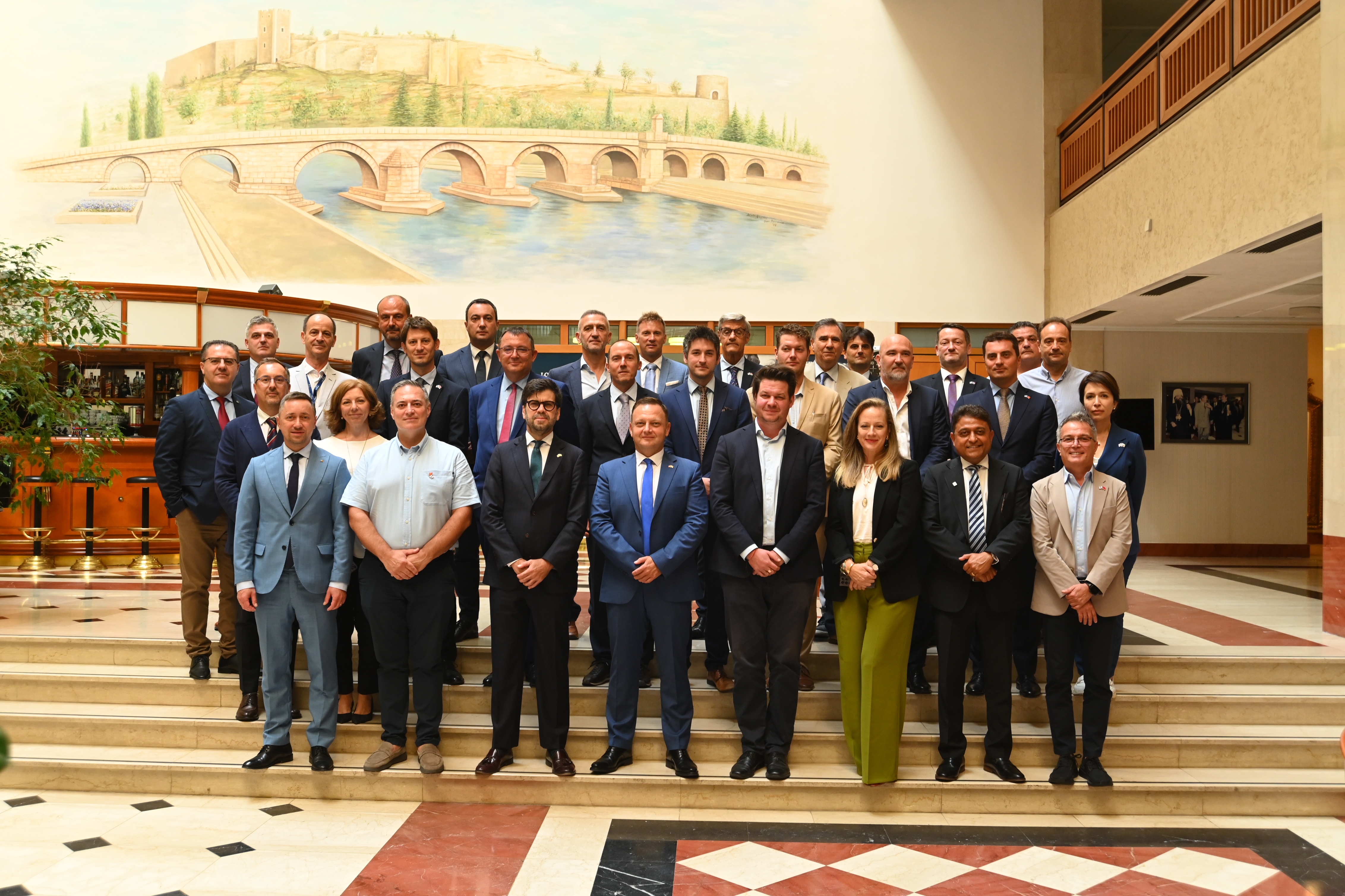
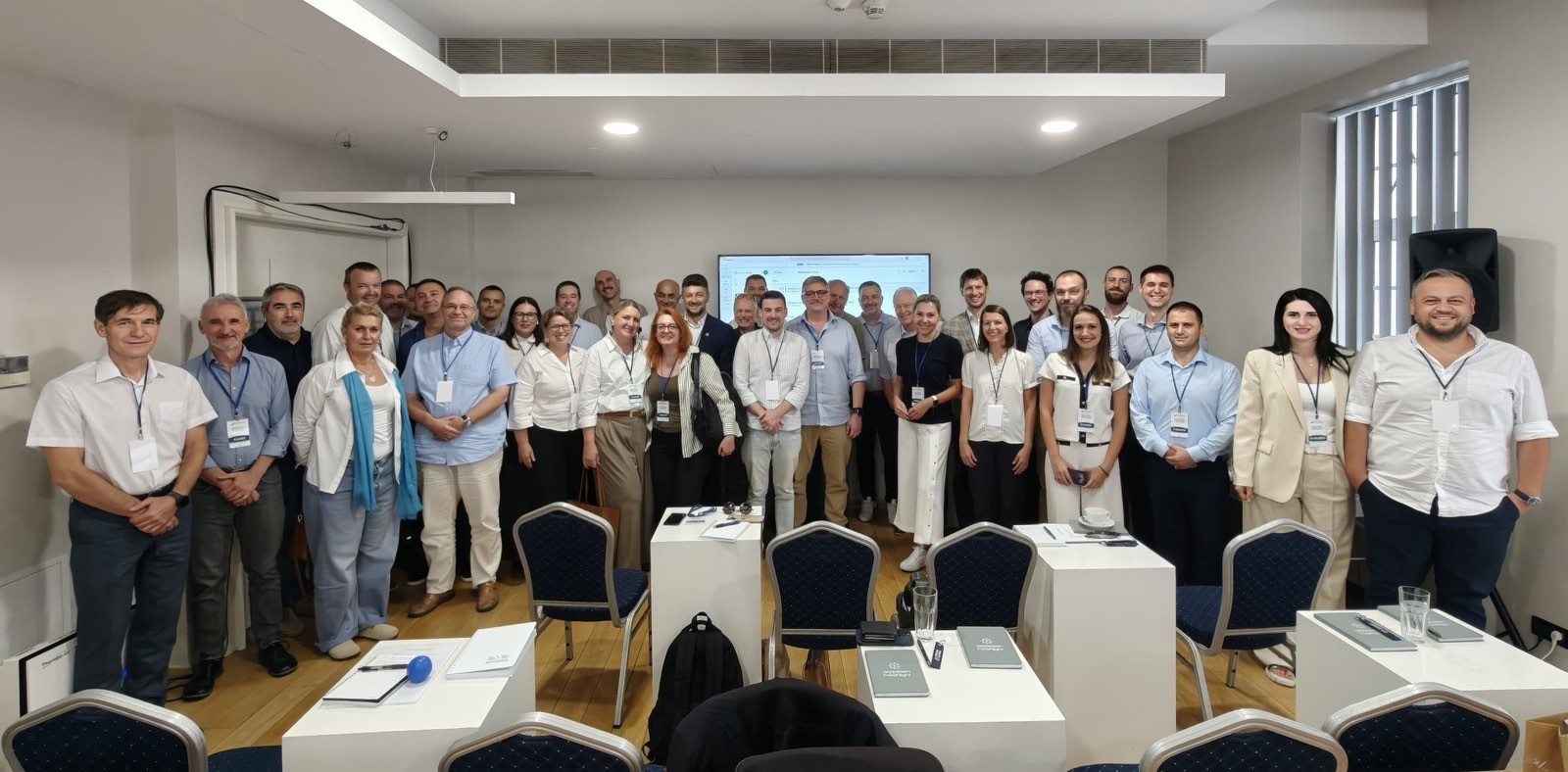
On 4 December 2025, the Civil Aviation Directorate of the Republic of Serbia hosted the 165th meeting of Directors General of the Member States of the European Civil Aviation Conference (ECAC). For the first time since the establishment of ECAC, this high-level gathering was held in Belgrade, bringing together 37 European countries and placing the Serbian capital at the very centre of European civil aviation.
The meeting was opened by the Minister of Construction, Transport and Infrastructure, Aleksandra Sofronijević, who addressed the participants and underlined the importance of strengthening cooperation among European states and advancing joint activities within the field of civil aviation.
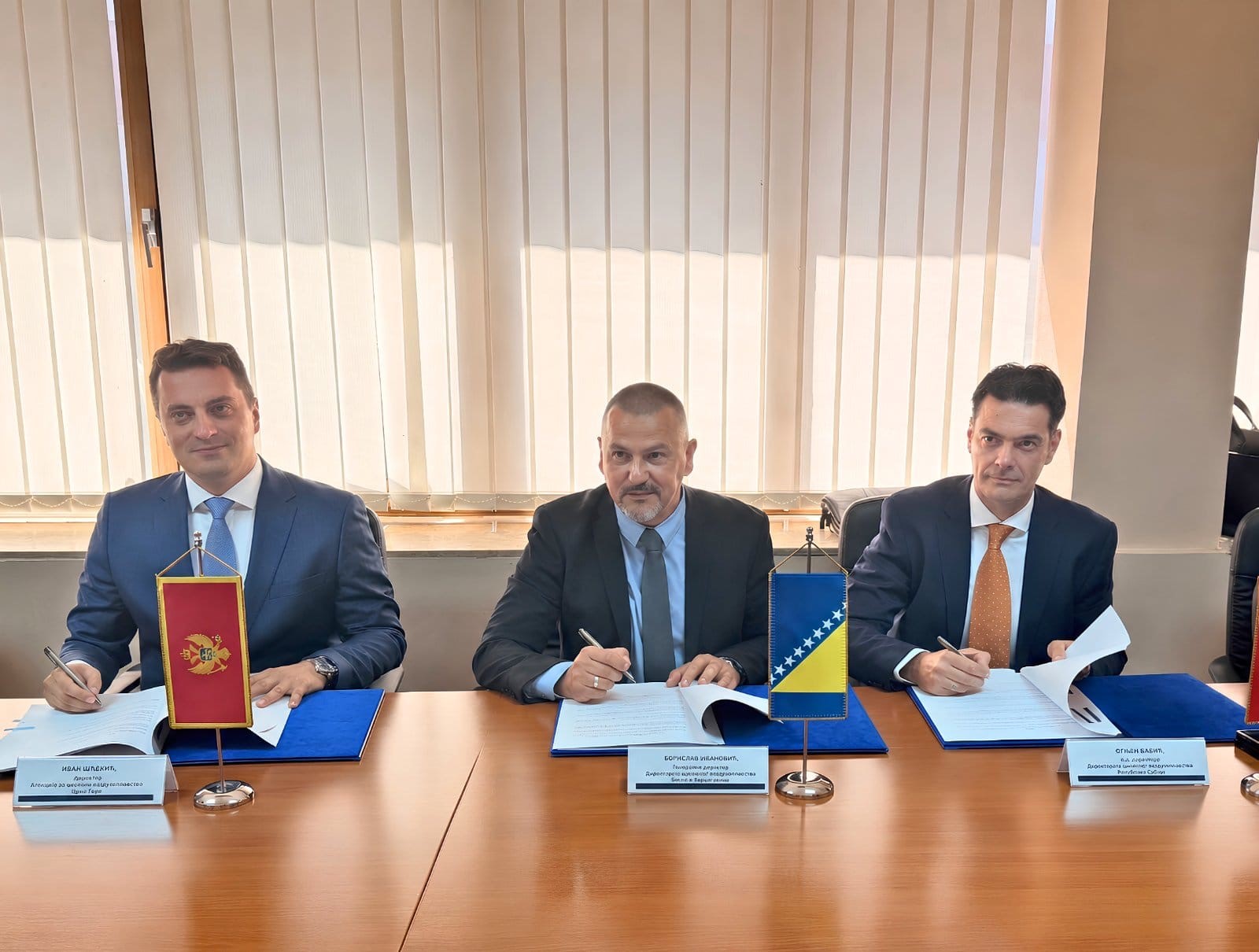
In the presence of delegations of the Member States, several countries signed, on the margins of the meeting, the Convention on the Bureau of the European Civil Aviation Conference – a document of essential importance through which the ECAC Bureau is, for the first time, established as an international legal entity, thereby significantly enhancing the functioning of the organisation.
On behalf of the Republic of Serbia, the Convention was signed by the Director of the Civil Aviation Directorate, Mirjana Čizmarov. Alongside Serbia, the document was also signed by Belgium, Portugal, San Marino and Greece, while the remaining ECAC Member States will accede to the Convention in accordance with their respective national procedures.
By establishing the Bureau, ECAC is, for the first time, provided with a clearly defined framework for its administrative and financial operations, enabling more effective management, recruitment of experts, conclusion of contracts and implementation of programmes of common interest – all without introducing additional financial obligations for Member States. This development represents a significant systemic reform, ensuring a more stable and functional structure for ECAC and further strengthening cooperation in the field of European civil aviation.
When considering the institutional structure, it is important to recognise the role and scope of ECAC itself. The organisation brings together 44 states and serves as a pan-European forum for harmonising policies and practices in civil aviation, with a focus on aviation safety, unmanned aircraft systems, security, facilitation, environmental protection, and the promotion of diversity and inclusion.
Since December 2021, the Republic of Serbia has had its representative in the ECAC Coordinating Committee – the body overseeing the organisation’s work. Having been elected for the first time in 2021, the Director of the Directorate Mirjana Čizmarov was confirmed in this role at the Plenary Session in July 2022, while her re-election at the conference held in July 2024 represented yet another confirmation of confidence in Serbia’s expertise and contribution to the development of European aviation policy.
Hosting such an important meeting in Belgrade stands as a recognition that Serbia and its Civil Aviation Directorate hold a credible and well-established role within the European aviation framework. The active engagement of our country in ECAC’s work demonstrates Serbia’s continued commitment to enhancing aviation safety, modernisation and sustainability.