

Follow the link for new editions of the Airworthiness Department forms
We inform you that the call to the number for the payment of Republic administrative fees has been changed - you can view the form with the changes at линк
Owner/user or the operater of unmanned aircraft shall submit, as parties in the administrative procedure, request for approval of unmanned aircraft directly or through authorized respresentative
Follow the link for new editions of the Airworthiness Department forms
We inform you that the call to the number for the payment of Republic administrative fees has been changed - you can view the form with the changes at линк
Owner/user or the operater of unmanned aircraft shall submit, as parties in the administrative procedure, request for approval of unmanned aircraft directly or through authorized respresentative

News

GLOBAL SEARCH AND RESCUE DAY — SEPTEMBER 10, 2026
Sep 09 2026

GLOBAL SEARCH AND RESCUE DAY — SEPTEMBER 10, 2026

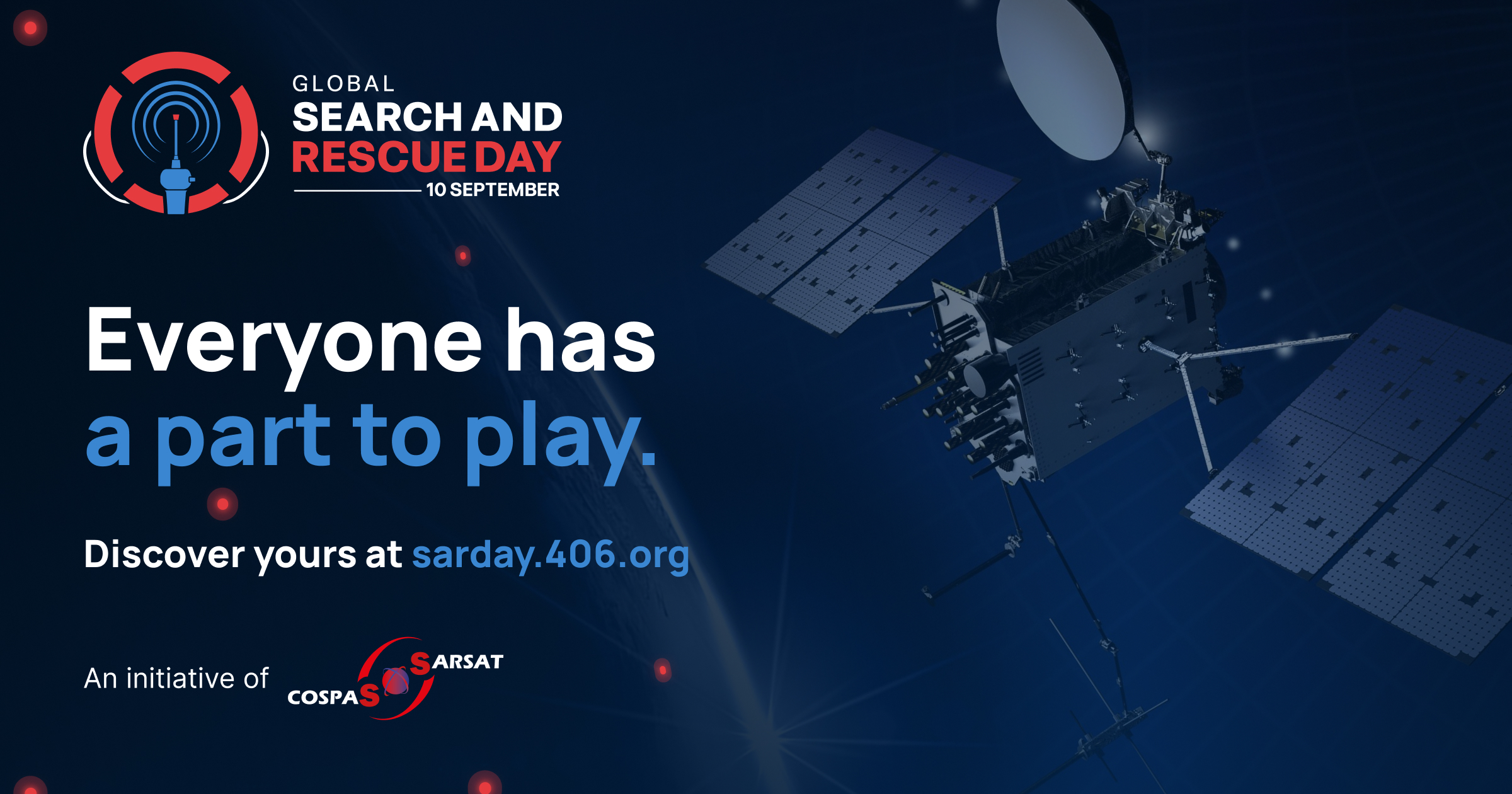
GLOBAL SEARCH AND RESCUE DAY — SEPTEMBER 10, 2026 Satellite-assisted rescue: Three major advances for the International Cospas-Sarsat Programme Through an array of new services, persons in distress receive confirmation of their signal for help, aircraft experiencing abnormal flight conditions automatically send distress notifications, and an increased number of orbiting satellite payloads enable faster detection and location of distress beacon transmissions. On the occasion of the second Global Search and Rescue Day (Global SAR Day), the International Cospas-Sarsat Programme reaffirms its readiness to serve humanity with new capabilities transforming the speed and reach of emergency response communication. RLS-capable distress beacons can now confirm to persons in distress that their alert has been received and located by the Cospas-Sarsat system, and equipped aircraft can automatically transmit alert information when abnormal flight conditions are detected. The MEOSAR system uses multiple satellites simultaneously to determine a beacon’s location much more rapidly, allowing detection of a distress signal within minutes. These advances build on an existing network that has helped save over 70,000 lives since 1982 — an average of four people saved per day since the programme began, rising to ten people per day in recent years thanks to technological innovations and operational improvements. Cospas-Sarsat relies on more than 70+ satellite payloads and 32 international mission control centres, monitoring activations of approximately three million registered beacons worldwide, at no cost to persons in distress. “For decades, the Cospas-Sarsat satellite system has listened for distress signals around the world and alerted search and rescue authorities. With the Return Link Service, we can now close the loop, enabling confirmation between people in distress and the search and rescue groups responding to them,” stated Cheryl Bertoia, Principal Operations Officer at the International Cospas-Sarsat Programme. “For someone in distress at sea, in the mountains, or anywhere else on Earth, knowing that their alert signal has been received, and that help is on the way, can make all the difference. At that critical moment, a simple message of reassurance can turn uncertainly into hope.” Three technological advances, a single mission The beacon responds and confirms. Through the Return Link Service (RLS), maritime emergency positionindicating radio beacons (EPIRBs) and personal locator beacons (PLBs) can do more than transmit a signal: they are now able to confirm to the person in distress that their alert has been received, thus providing reassurance that the distress alert has been successfully acquired and its position determined.  Aircraft autonomous distress tracking. Emergency locator transmitters with distress tracking (ELT(DT)s) now enable an aircraft to automatically trigger an alert and transmit its position when abnormal flight conditions occur — even before any potential impact with ground or sea. This capability, adopted in response to recommendations stemming from prior aviation incidents, meets International Civil Aviation Organization (ICAO) standards developed in response to lessons learned from major aviation incidents and is intended to significantly improve the ability to locate aircraft in distress while still in flight. Significantly faster detection and industry-leading location performance. The MEOSAR (Medium-altitude Earth Orbit Search and Rescue) satellite system — whose search and rescue repeaters are carried aboard the satellites of the world’s navigation constellations — is nearing the final steps toward full operational capability. By simultaneously using several satellites to very quickly determine a beacon’s location, this gain in efficiency will make a major difference when time is a critical factor. “Every technological advance strengthens the same basic, constant, essential link: the human chain of rescue,” emphasized Shefali Juneja, Head of the Secretariat at the International Cospas-Sarsat Programme. “A satellite can detect an emergency, but it is people who make decisions, coordinate efforts, and save lives. Global Search and Rescue Day is dedicated to them, in recognition of the high-stakes work they accomplish each time someone is in distress.” Behind every alert, someone is listening Providing 24-hour monitoring, operators at the International Cospas-Sarsat Programme’s 32 international Mission Control Centres receive alerts from beacons and forward them to search and rescue teams around the world. To honour these dedicated individuals, Global Search and Rescue Day was established on September 10 — the date of the first satellite-assisted rescue in history, which took place in Canada in 1982 when three survivors of a plane crash were located by the Cospas-1 satellite.  The Cospas-Sarsat satellite-aided search and rescue programme reminds beacon owners of the importance of registering their devices, a free process that helps speed up the identification of the person when an alert is received. Operations, images, and statistics are available on the sarday.406.org platform. About Global Search and Rescue Day Celebrated annually on September 10, Global Search and Rescue Day marks the anniversary of the first satellite-assisted rescue in history (Canada, 1982) and pays tribute to the dedicated individuals of the global search and rescue network. Established by the International Cospas-Sarsat Programme, Global SAR Day marks its second year in 2026. Observed around the world, it is recognized by the programme’s institutional partners, including the International Civil Aviation Organization (ICAO) and the International Maritime Organization (IMO). sarday.406.org #GlobalSARDay #GlobalSARDay  
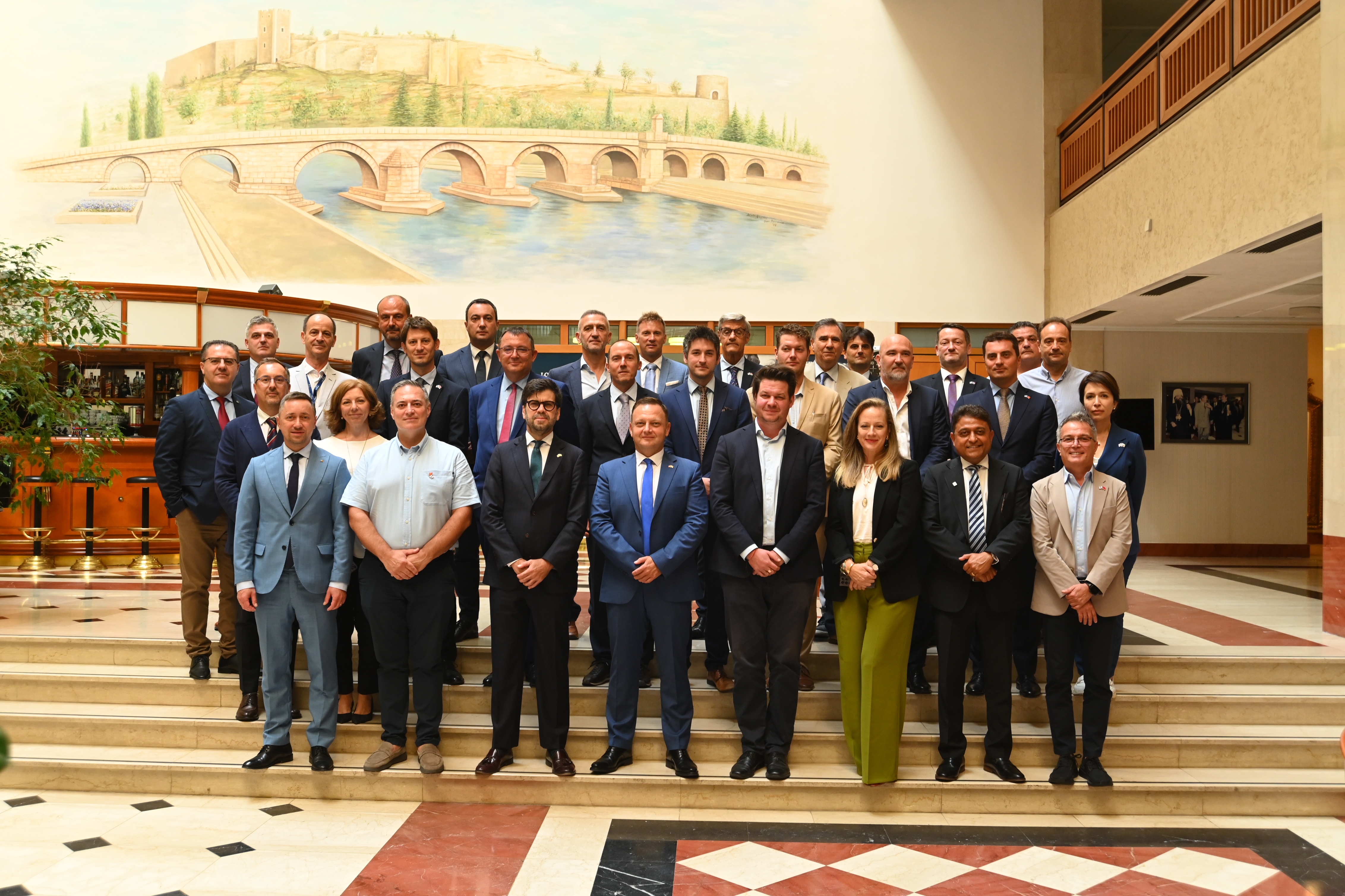
Meeting of Regional Civil Aviation Authorities and EUROCONTROL in Skopje
Sep 02 2026

Meeting of Regional Civil Aviation Authorities and EUROCONTROL in Skopje

Representatives of the Civil Aviation Directorate of the Republic of Serbia took part in a two-day meeting of regional civil aviation authorities and EUROCONTROL management, held in Skopje on 31 August and 1 September. The meeting, organised by the Civil Aviation Agency of North Macedonia and EUROCONTROL, focused on the exchange of experience, strengthening cooperation and current issues in the field of air navigation. During the meeting, Serbia’s achievements to date and ongoing development activities were presented, with particular focus on EXPO 2027, the integration of eVTOL aircraft and unmanned aircraft, as well as the modernisation of air traffic control technical systems, which will contribute to increased capacity and safety at Belgrade Airport. The meeting also highlighted the successful cooperation between the Civil Aviation Directorate and EUROCONTROL on the implementation of the U-space concept and the integration of unmanned aircraft detection systems, as important steps towards the further development and safe integration of new technologies into the airspace of the Republic of Serbia.

Serbia, Bosnia and Herzegovina, and Montenegro Sign Coordination Agreement to Strengthen Civil Aviation Oversight Cooperation
Jul 10 2026

Serbia, Bosnia and Herzegovina, and Montenegro Sign Coordination Agreement to Strengthen Civil Aviation Oversight Cooperation

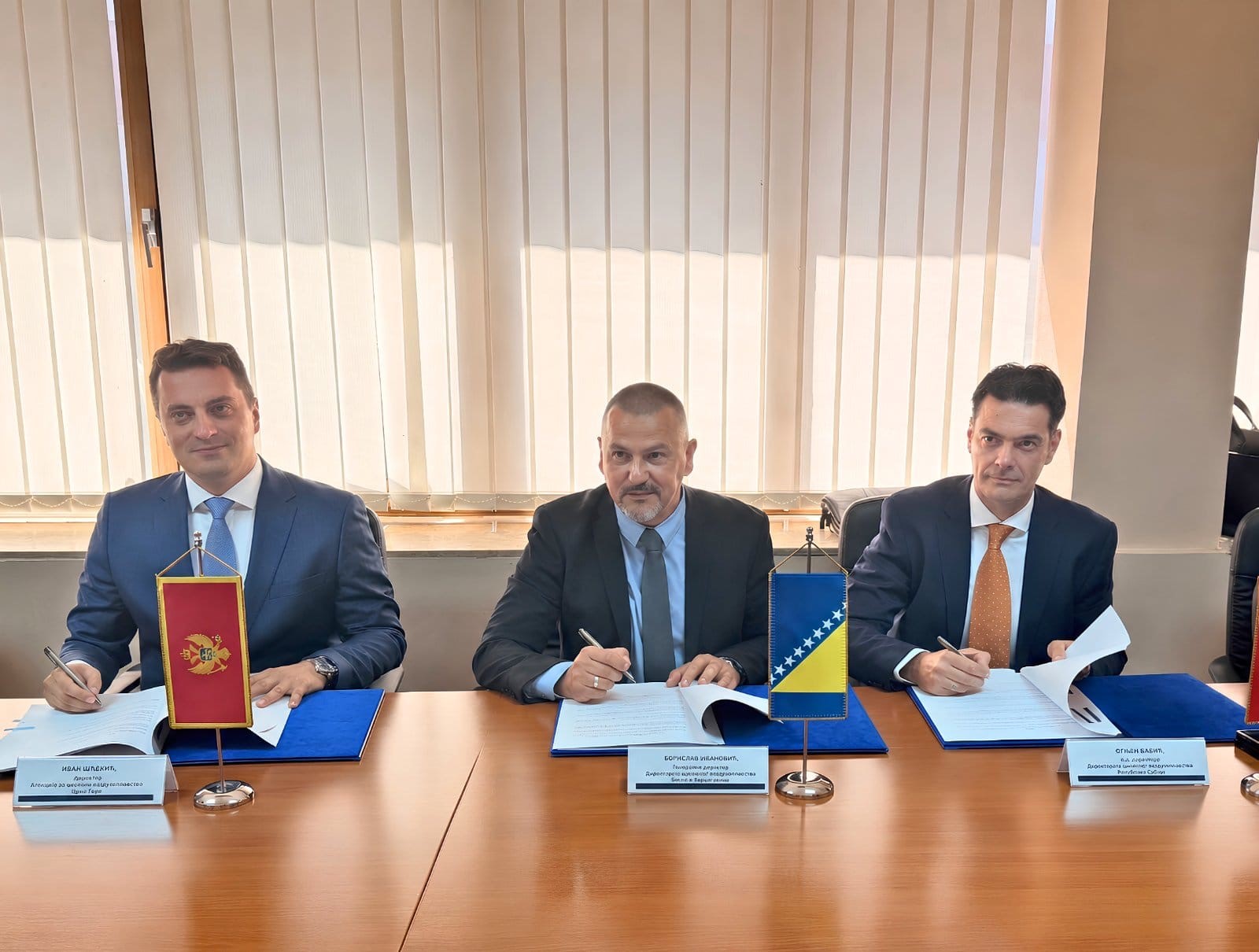
Acting Director General of the Civil Aviation Directorate of the Republic of Serbia, Ognjen Babic, signed a Coordination Agreement on 10 July 2026 in Banja Luka on behalf of the Directorate with the Bosnia and Herzegovina Directorate of Civil Aviation and the Civil Aviation Agency of Montenegro. The agreement was also signed by Zorislav Ivanovic, Director of the Bosnia and Herzegovina Directorate of Civil Aviation, and Ivan Scekic, Director of the Civil Aviation Agency of Montenegro, representing their respective institutions. The agreement establishes a framework for coordination among the national supervisory authorities in overseeing the provision of Air Traffic Services (ATS) within the portion of airspace covered by the 2020 Agreement on the Transfer of Responsibilities for the Provision of Air Traffic Services. It provides for the coordination of oversight activities, the exchange of safety-related information relevant to civil aviation, and cooperation in managing changes to the functional system for the provision of air traffic services. The conclusion of this agreement further strengthens cooperation among the national supervisory authorities of Serbia, Bosnia and Herzegovina, and Montenegro, while enhancing the coordination of activities that contribute to the safety and efficiency of civil aviation across the region.

Meeting Held Between the Prime Minister of the Republic of Serbia and the Management of the Civil Aviation Directorate
Jun 29 2026

Meeting Held Between the Prime Minister of the Republic of Serbia and the Management of the Civil Aviation Directorate

The management of the Civil Aviation Directorate of the Republic of Serbia, headed by Acting Director Ognjen Babic and Acting Deputy Director Verica Jecmenica, met today with the Prime Minister of the Republic of Serbia, Professor Dr. Đuro Macut, to discuss current issues and challenges in the field of civil aviation. The meeting was also attended by the Ambassador of the Arab Republic of Egypt to the Republic of Serbia, Ahmed Salama Soliman. The participants discussed opportunities for further improving the regulatory framework, strengthening international cooperation, and advancing air transport, with particular emphasis on the proposed amendments to the regulations governing the flight approval process. They also considered the impact of the proposed amendments on air carriers, with the aim of enhancing the efficiency of the regulatory system, maintaining the highest safety standards, and creating more favorable conditions for the continued development of civil aviation. Special attention was given to the initiative to establish a scheduled air service between Belgrade and Cairo, which would contribute to the enhancement of air connectivity between the Republic of Serbia and the Arab Republic of Egypt, promote tourism and economic cooperation, and further strengthen bilateral relations.

65th Meeting of the EUROCONTROL Provisional Council Held
Jun 22 2026

65th Meeting of the EUROCONTROL Provisional Council Held

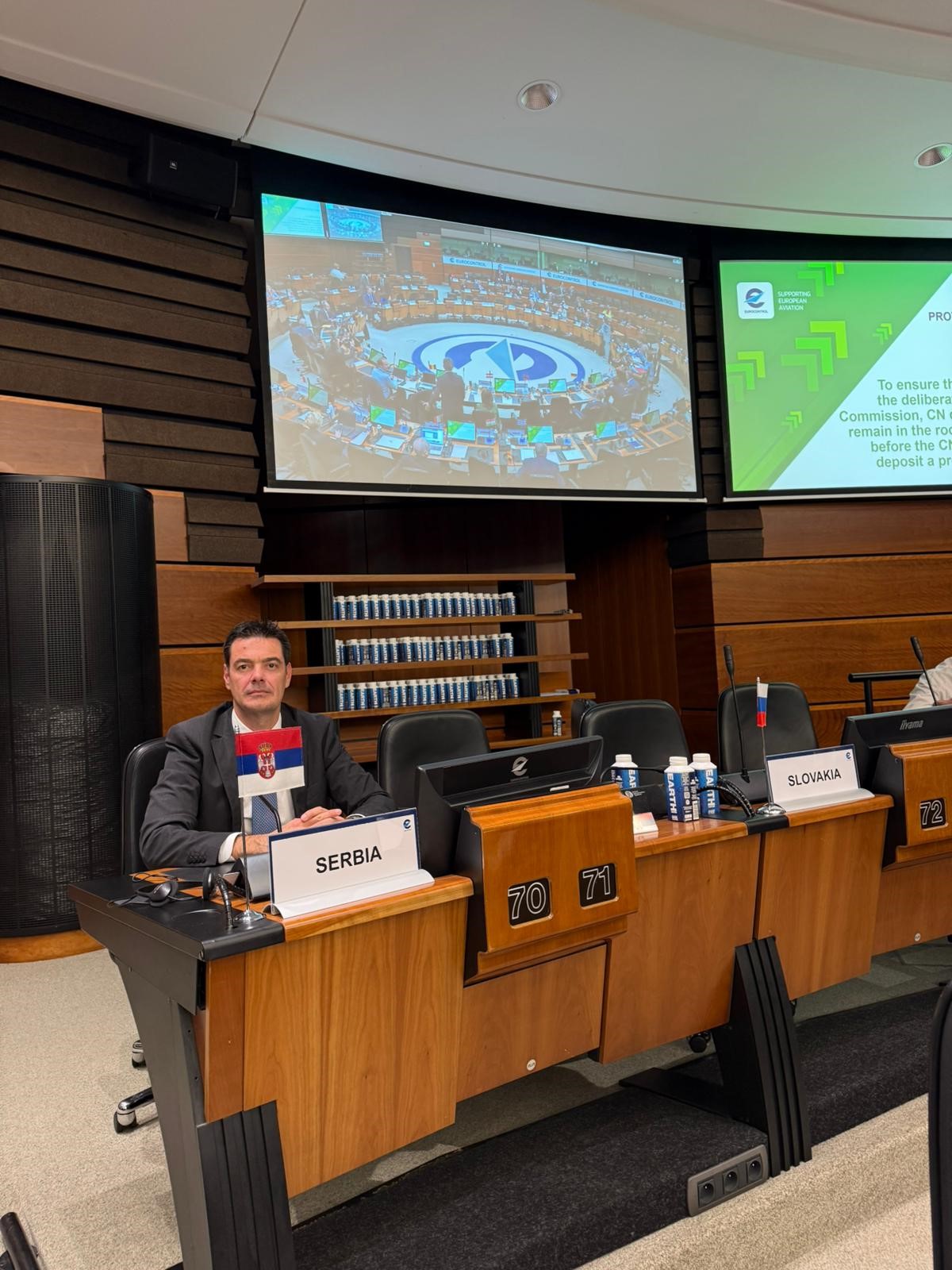
Mr. Ognjen Babić, Director of the Civil Aviation Directorate of the Republic of Serbia, attended the 65th Meeting of the Provisional Council (PC/65) of the European Organisation for the Safety of Air Navigation (EUROCONTROL), held in Brussels on 18 June 2026. During the meeting, participants discussed matters of importance to the work and functioning of the Organization, including reports on completed activities, ongoing work, and issues of strategic significance for the further development of the air traffic management system in Europe. The participants also exchanged views on matters within the competence of the Provisional Council, while the remaining agenda items were devoted to the consideration of regular reports and the planning of future activities.

Republic of Serbia Chaired the 40th Meeting of the Joint Committee of the International Cospas-Sarsat Programme
Jun 08 2026

Republic of Serbia Chaired the 40th Meeting of the Joint Committee of the International Cospas-Sarsat Programme

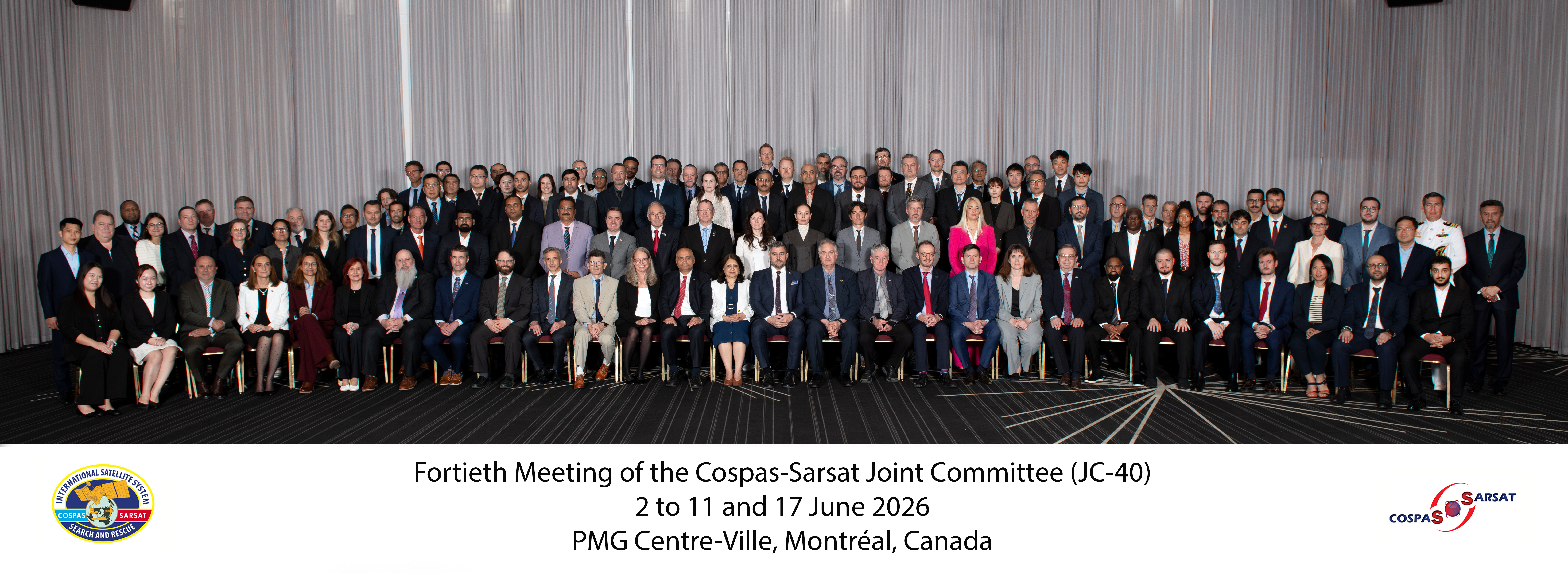
The Civil Aviation Directorate of the Republic of Serbia achieved a significant milestone within the framework of the international Cospas-Sarsat Programme when Mr. Nikola Sarancic, Head of the Rescue Coordination Centre of the Civil Aviation Directorate of the Republic of Serbia and Chair of the ICAO EUR Search and Rescue Task Force (EUR SAR TF), presided over the 40th Meeting of the Joint Committee (JC-40) of the International Cospas-Sarsat Programme. The meeting was held in Montreal on 2 June 2026. The meeting brought together representatives of the Programme’s founding states and member countries (45 participating states), representatives of international aviation organizations, aircraft manufacturers, and experts in the field of search and rescue. This achievement represents a notable international success for the Republic of Serbia, as it marks the first time that the Chair of the Joint Committee—the principal annual meeting of the Cospas-Sarsat Programme—has been held by a representative from a country other than one of the Programme’s four founding states: the United States of America, the Russian Federation, Canada, and France. A wide range of technical, operational, and programme-related matters were considered during the meeting, including the further development of the MEOSAR system, the advancement of standards for the implementation of the new Two-Way Communication service with beacon users, issues related to the operation of distress beacons (ELT, EPIRB, PLB, ELT(DT)), activities addressing the growing number of false alerts—particularly those associated with new ELT(DT) beacon technologies—as well as other matters of importance for the future development of the Programme. The Civil Aviation Directorate of the Republic of Serbia will continue to actively contribute to the enhancement of international cooperation in the field of search and rescue, with the aim of improving aviation safety and strengthening the effectiveness of global search and rescue systems.

Press Release
Jun 03 2026

Press Release

With regard to media reports concerning amendments to the regulatory framework in the field of civil aviation, the Civil Aviation Directorate of the Republic of Serbia wishes to emphasize that no air carrier has been denied the right to operate flights between the Republic of Serbia and the Member States of the European Union, nor the right to launch new routes in accordance with the applicable international agreements. The Civil Aviation Directorate of the Republic of Serbia performs its responsibilities in a professional, impartial and non-discriminatory manner, in full compliance with national and international regulations, while ensuring respect for the principles of equal treatment and fair competition. It is important that the public be accurately informed that the regulatory amendments in question do not constitute a restriction of traffic rights, but rather an adjustment of the regulatory framework, which is applied equally to all air carriers operating in the market of the Republic of Serbia. The Directorate will continue to act in a transparent and responsible manner, in the interest of the safe, stable and competitive development of civil aviation in the Republic of Serbia.

Refresher Training in Aviation Medicine Held
May 29 2026

Refresher Training in Aviation Medicine Held

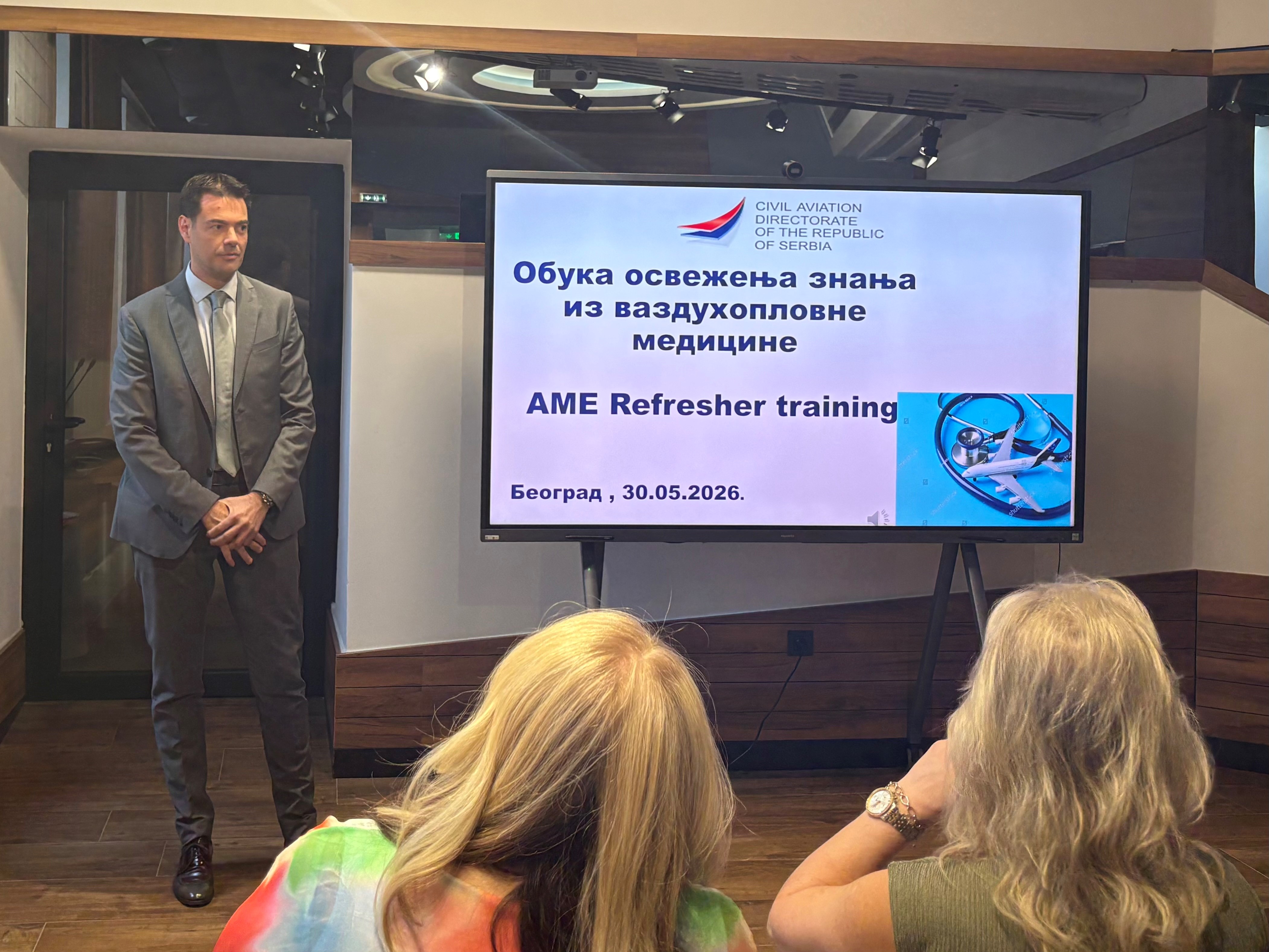
On 30 May 2026, the Civil Aviation Directorate of the Republic of Serbia organized the ninth Aviation Medicine Refresher Training (AME Refresher Training), which was held at the Directorate’s premises. The training was attended by Aeromedical Examiners (AMEs), consultant physicians, and psychologists involved in the aeromedical assessment of civil aviation personnel, as well as numerous experts and medical professionals from across the region. At the opening of the event, the Director of the Civil Aviation Directorate of the Republic of Serbia, Ognjen Babic, addressed the participants, welcoming them and expressing his hope that the seminar would be of great value in their future professional work. The training programme covered current topics in the fields of clinical and aviation medicine, with a particular focus on modern approaches and best practices. Participants from across the region had the opportunity to exchange professional experiences, enhance their knowledge, and obtain new information relevant to their continued work. Through activities such as this, the Civil Aviation Directorate of the Republic of Serbia continues to support continuous education in aviation medicine, with the aim of further improving aviation safety.

29 May – Serbian Pilots’ Day
May 28 2026

29 May – Serbian Pilots’ Day

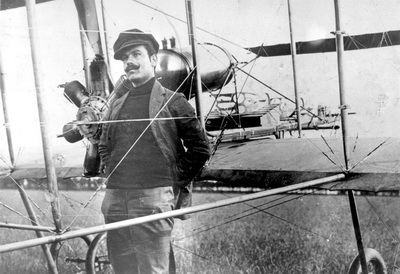
On this day, 113 years ago, Sergeant Mihailo Petrovic performed his first solo flight, becoming the first trained pilot in the history of Serbia. As a student of the Farman Flying School in the French town of Étampes, Mihailo Petrovic successfully took off on 29 May 1912 in a Farman aircraft and reached an altitude of 300 metres. With this achievement, he obtained International Pilot Licence No. 979, as well as Serbian Pilot Licence No. 1. In commemoration of this historic event and the beginning of Serbian aviation, 29 May is observed as Serbian Pilots’ Day. The Civil Aviation Directorate of the Republic of Serbia extends its congratulations to all pilots across the country on Serbian Pilots’ Day and expresses its gratitude for their dedication, professionalism, and contribution to the development of aviation.

Directorate Representatives at Airspace World 2026 in Lisbon
May 26 2026

Directorate Representatives at Airspace World 2026 in Lisbon

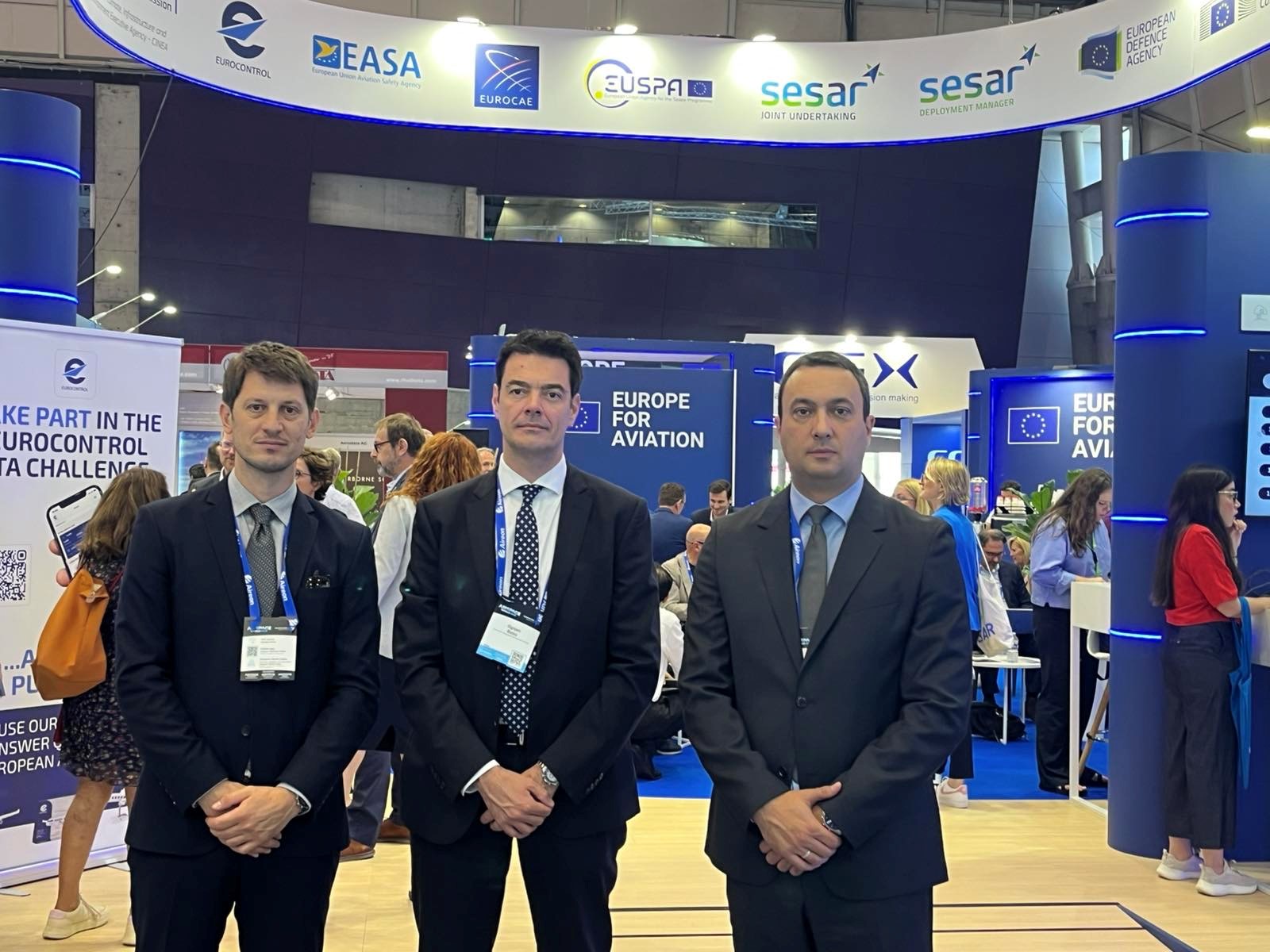
A delegation of the Civil Aviation Directorate of the Republic of Serbia, led by Director Ognjen Babic, will attend the Airspace World 2026 conference in Lisbon from 26 to 28 May 2026. The conference is one of the most significant global events in the field of airspace management and the development of the future of air transport. The conference will bring together leading global and European institutions, regulators, and industry stakeholders to exchange knowledge and showcase the latest developments in Air Traffic Management (ATM), U-space systems, and Urban Air Mobility (UAM). Among other activities, representatives of the Directorate will attend an expert panel dedicated to the development of U-space systems and the integration of eVTOL operations into airspace. The panel discussion, led by representatives of the Spanish Directorate General of Civil Aviation, the Spanish Aviation Safety and Security Agency (AESA), and the air navigation service provider ENAIRE, will provide a comprehensive overview of the institutional cooperation required for the safe integration of unmanned aircraft into modern airspace. A special segment of the conference will focus on the Urban Air Mobility concept and the integration of eVTOL aircraft into complex urban and airport environments, featuring practical examples of implementation and the development of operational procedures across Europe. By participating in events of this kind, the Civil Aviation Directorate continues to follow contemporary trends and explore opportunities for further development of international cooperation and the implementation of innovative solutions in civil aviation.