

From 00:00 local time on Tuesday 10th March 2026 to 23:59 local time on Thursday 12th march 2026, all operations of civil unmanned aircraft are prohibited in the part of the airspace that includes a circle with a radius of 3 km (1,6 NM) centered at the point with the coordinates 44°48'51.3"N 020°25'16.7"E (City of Belgrade). Airspace users and operators of unmanned aircraft are required to familiarize themselves with relevant NOTAM.
Follow the link for new editions of the Airworthiness Department forms
We inform you that the call to the number for the payment of Republic administrative fees has been changed - you can view the form with the changes at линк
Owner/user or the operater of unmanned aircraft shall submit, as parties in the administrative procedure, request for approval of unmanned aircraft directly or through authorized respresentative
From 00:00 local time on Tuesday 10th March 2026 to 23:59 local time on Thursday 12th march 2026, all operations of civil unmanned aircraft are prohibited in the part of the airspace that includes a circle with a radius of 3 km (1,6 NM) centered at the point with the coordinates 44°48'51.3"N 020°25'16.7"E (City of Belgrade). Airspace users and operators of unmanned aircraft are required to familiarize themselves with relevant NOTAM.
Follow the link for new editions of the Airworthiness Department forms
We inform you that the call to the number for the payment of Republic administrative fees has been changed - you can view the form with the changes at линк
Owner/user or the operater of unmanned aircraft shall submit, as parties in the administrative procedure, request for approval of unmanned aircraft directly or through authorized respresentative
The Republic of Serbia with its Civil Aviation Directorate has once again received on Thursday, June 21 the official confirmation of their high standing in the European aviation community. It is a well-known fact that Serbia has earned its high rank in the European aviation community and is a de-facto member of the European Union, thanks to the important role of the Directorate has.
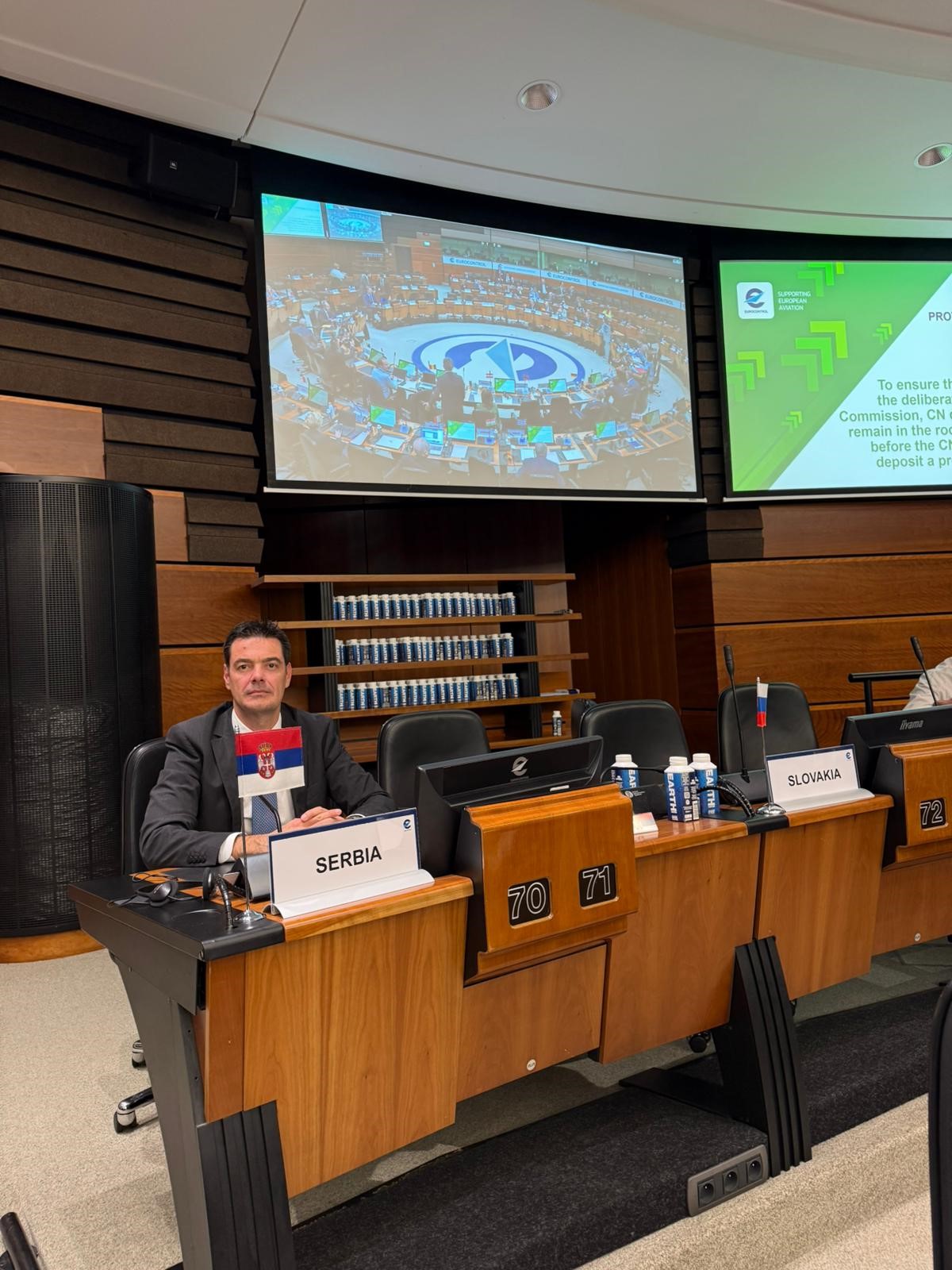
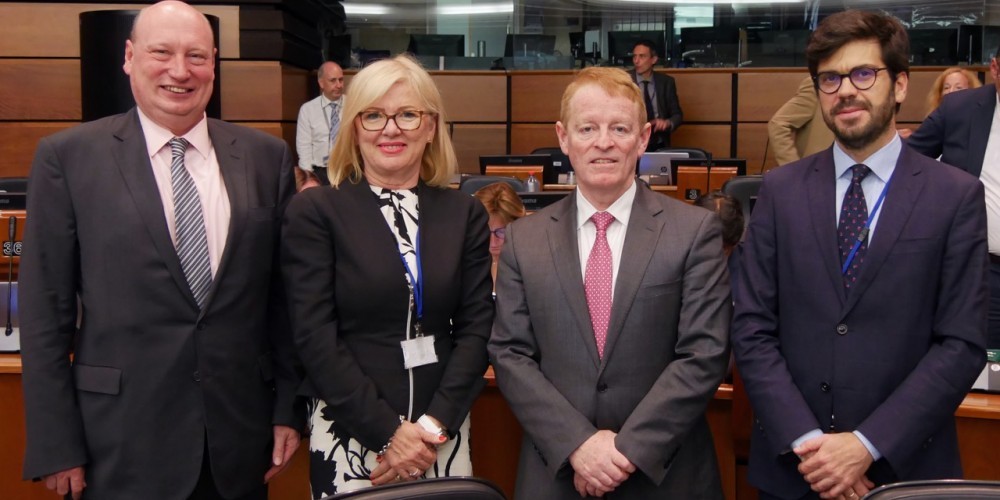
Director of the Directorate, Ms Mirjana Cizmarov, chaired the session of the Eurocontrol`s permanent Commission, the highest governing body responsible for the implementation of Eurocontrol`s general policy, as well as for overseeing the work of the Agency. Compared to the agendas from previous meetings this time the agenda was organized so as to provide greater efficiency and focus on key elements, which received a universal approval of the participants, among which were the Director General of Eurocontrol, Mr Emon Brennan, as well as Mr Henrik Hololei, Director General for Mobility and Transport of the European Union.
Mr Brennan indicated the challenges to be expected by 2040 according to the recently published study by Eurocontrol.
Mr Hololei informed the participants on the current and planned regulatory activities at the EU level, pointing out the challenges created by the defragmentation of airspace and inadequate capacity planning, and particularly stressed the importance of non-EU countries in adequate functioning of the network.
In addition to the meeting of the permanent Commission, the meeting of the Provisional Council was held, chaired by Raúl Medina Caballero, Director of Civil Aviation Authority of Spain, and Vice President Mirjana Cizmarov, Director of the Serbian Directorate. The current situation in European air traffic was considered at the session, with a special attention paid to the significant points of interest - the airspace and aerodromes capacities to be enhanced in order to ensure regularity of flights and reduce delays to a minimum, while bearing in mind the ongoing increase in air traffic volumes.
At its session held on 5 March 2026, the Government of the Republic of Serbia, acting on a proposal from the Management Board of the Civil Aviation Directorate, appointed Ognjen Babiц as Acting Director of the Civil Aviation Directorate of the Republic of Serbia.
Тhe Government appointed Verica Jecmenica as Deputy Acting Director at the same session.
In accordance with Article 34a, paragraph 1 of the Law on Public Agencies (“Official Gazette of the Republic of Serbia”, Nos. 18/05, 81/05–corrigendum, and 47/18), the public is hereby informed that the selection procedure for establishing employment for an indefinite period will be conducted for the following positions, to which the following application codes have been assigned:
Inspector for transport activities – helicopter pilot, application code: JK-OPS-001
Airworthiness Adviser, application code: JK-AIR-001
Regulations Adviser, application code: JK-LEG-001
Driver, application code: RM-OOP-001
Examiner for the field of corporate law, application code: JK-ONP-001
In accordance with Article 34a, paragraph 1 of the Law on Public Agencies (“Official Gazette of the Republic of Serbia”, Nos. 18/05, 81/05–corrigendum, and 47/18), the public is hereby informed that the selection procedure for establishing employment for an indefinite period will be conducted for the following positions, to which the following application codes have been assigned:
Inspector for transport activities - helicopter pilot, application code: JK-OPS-001
Airworthiness Adviser, application code: JK-AIR-001
Regulations Adviser, application code: JK-LEG-001
Driver, application code: RM-OOP-001
Examiner for the field of corporate law, application code: JK-ONP-001
A two-day SES 2+ workshop began on 26 February at the Civil Aviation Directorate of the Republic of Serbia, as part of the 2026 Support to State Programme. The Support to States policy is a EUROCONTROL initiative to provide customized support and expertise to national aviation authorities, aimed at strengthening institutional capacity and improving the implementation of European regulatory standards and requirements.
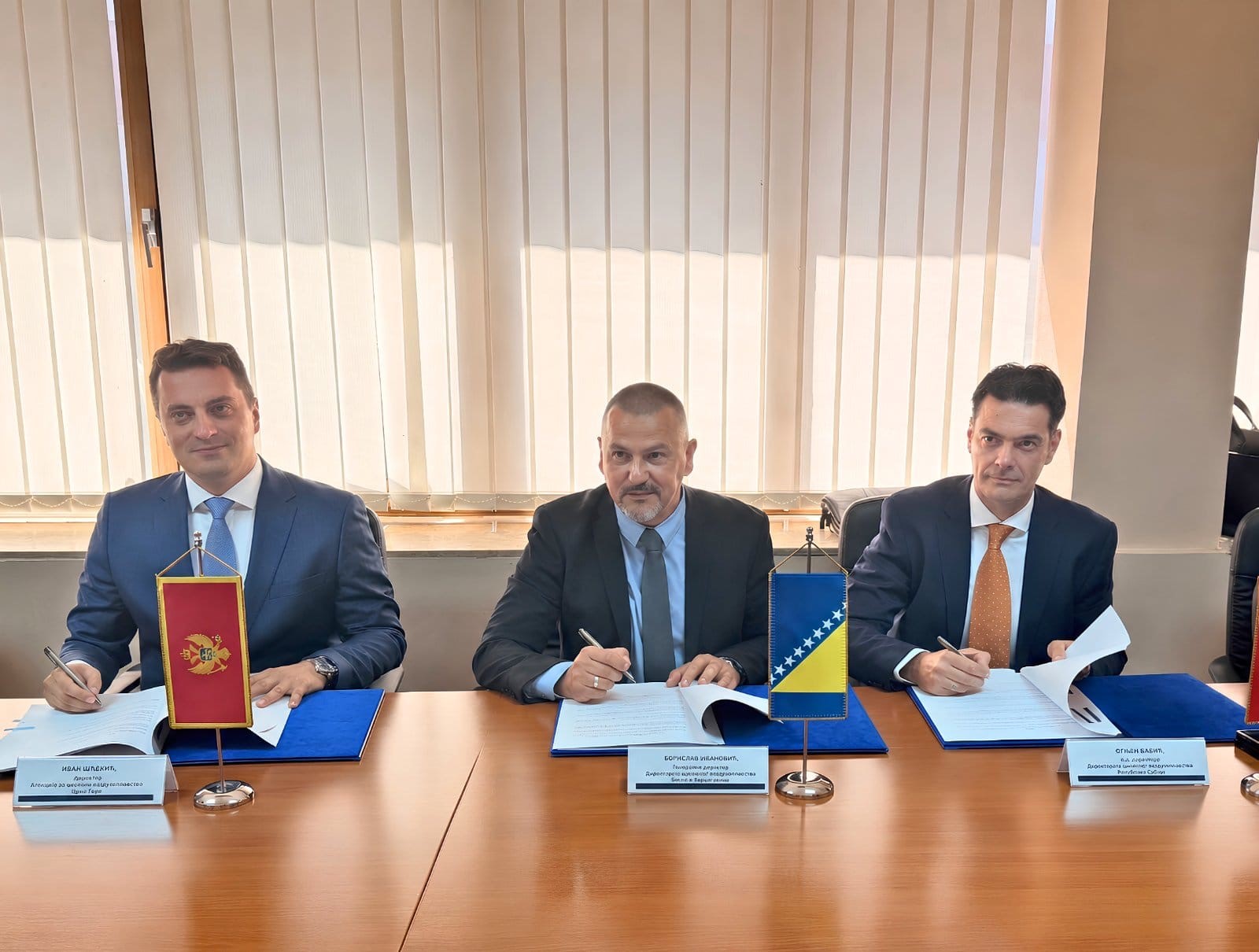
The workshop focuses on the new Single European Sky regulatory framework, and the introduction of the new substantial amendments to the current regulatory system. Its purpose is to outline the key changes under these new legislation acts and to help lay the groundwork for its harmonization and transposition into the national legislation of the Republic of Serbia and Montenegro.
Participants include representatives from the Directorate, the Civil Aviation Agency of Montenegro, and SMATSA Ltd., who will review the principal regulatory amendments and discuss the next steps in implementing the new framework.
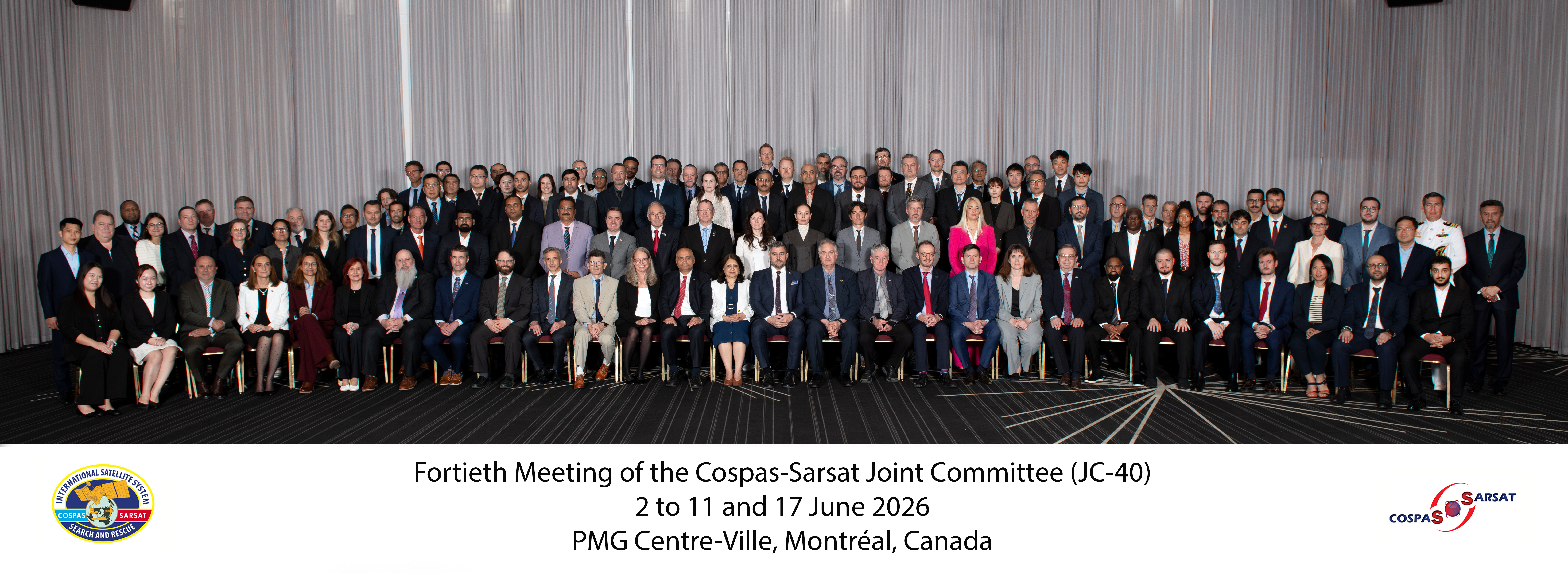
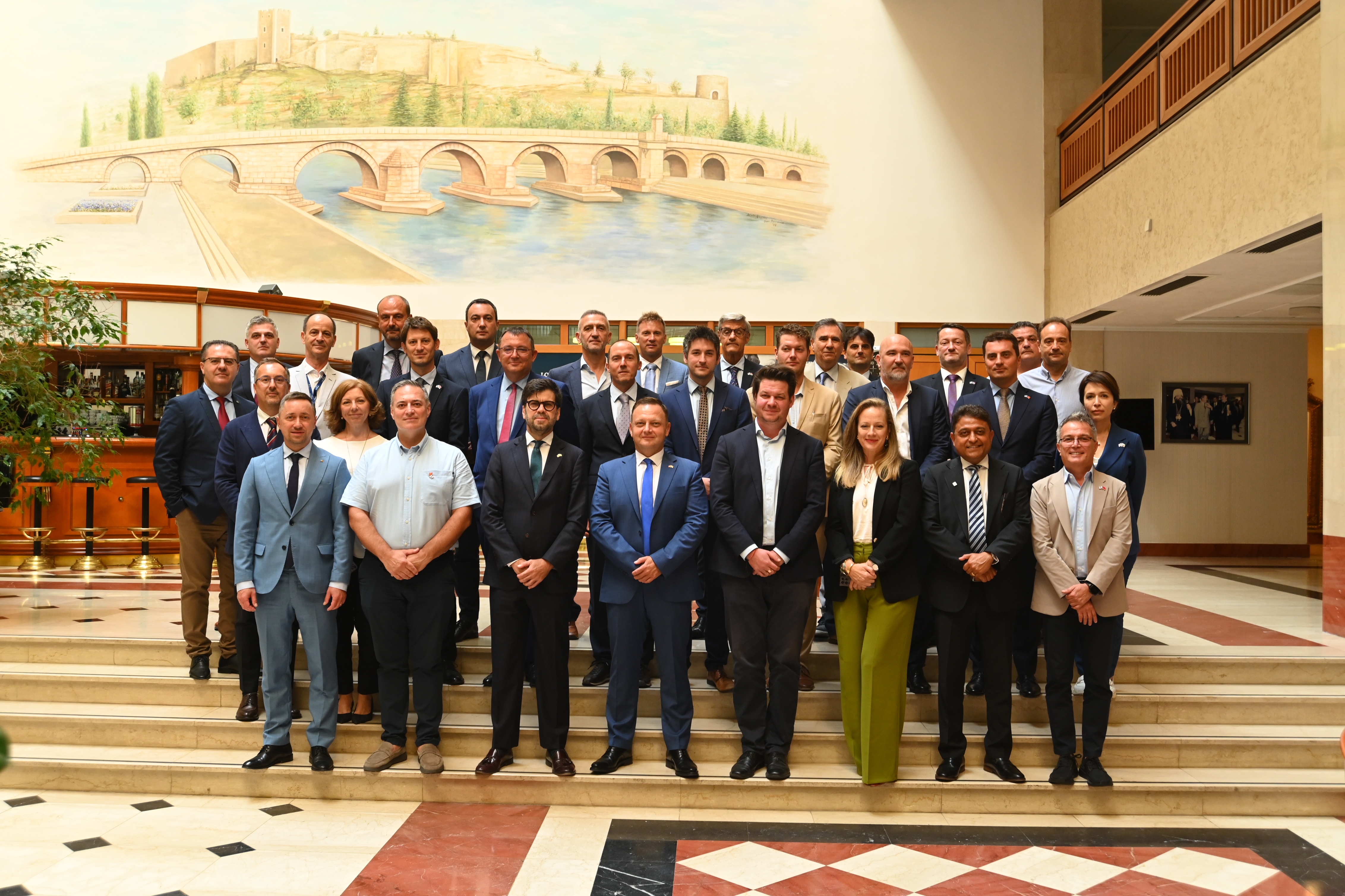
The Civil Aviation Directorate of the Republic of Serbia is hosting the annual Central Data Distribution Region (CDDR) meeting of the international Cospas-Sarsat programme, held from February 3 to 5, 2026, at the SMATSA Area Control Centre premises.
The international Cospas-Sarsat programme is a non-profit, intergovernmental organization that operates a global satellite system for detecting and locating activated distress radio beacons, forwarding this information to the relevant search and rescue coordination centres. Since its inception, the system has assisted in saving more than 50,000 lives worldwide.
The annual meeting in Belgrade has gathered representatives from CDDR member states, including France, the United Kingdom, Norway, Germany, Italy, Switzerland, Denmark, Sweden, Finland, the Netherlands, Poland, Greece, Turkey, Cyprus, and Tunisia, confirming the significance of the event and Serbia’s active role in the international search and rescue system.
The gathering was opened by the Director of the Directorate, Mirjana Čizmarov, who emphasized that hosting the meeting in Belgrade represents a token of recognition and trust, as well as a confirmation of the Directorate's capacity as the competent authority for the organization and coordination of the national search and rescue system. Following her remarks, David Poudevigne, Head of the French Mission Control Centre (MCC), addressed the participants, reminding them that Cospas-Sarsat is a living, dynamic network and that such meetings foster productive and substantive discussions.
During the three-day event, participants will have the opportunity to discuss operational and technical issues, exchange experiences, and harmonize activities aimed at further improving the efficiency of international cooperation in the field of search and rescue systems.